Age-Related Disc Degeneration
Disc flexibility can change with age, which may increase the chance of herniation in some people.
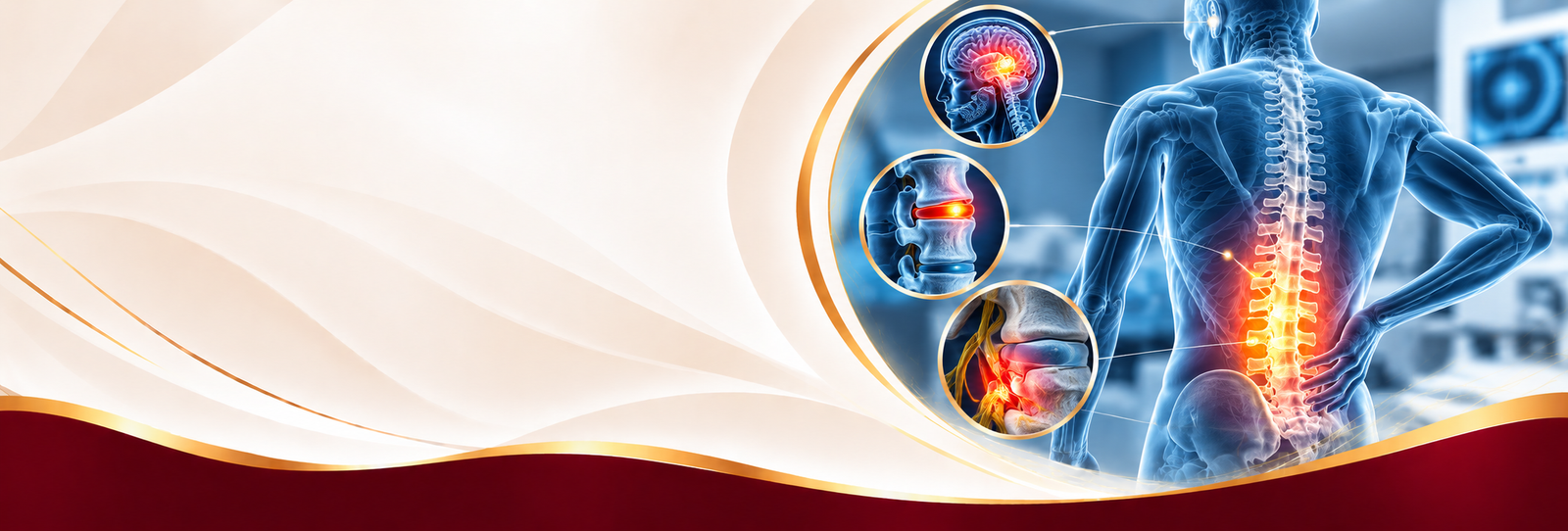
Advanced. Minimally Invasive. Life Changing.
Endoscopic Brain & Spine Surgery with 30° Vision for safer, smarter and faster recovery.

Overview
Not every spine problem fits a single label. Instability, prior surgery, infection, or inflammatory conditions can all produce pain or nerve symptoms.
The care team reviews history, examination, and imaging before recommending next steps. Website lists cannot replace that process.
When a structural target is identified, minimally invasive or endoscopic options may be discussed. Suitability is always individual.
Causes & risk factors
Several factors can contribute to the development of other spine conditions, including:
Disc flexibility can change with age, which may increase the chance of herniation in some people.
Repeated load or lifting strain may add stress to lumbar discs.
Prolonged flexed or unbalanced posture may increase load on the lower spine.
Higher body weight can increase mechanical load on lumbar discs.
Smoking may affect disc nutrition and tissue health over time.
Family history may contribute to disc-related conditions in some people.
Common symptoms
Symptoms can vary depending on the size and location of the herniation.
Diagnosis
A thorough evaluation helps determine the likely cause of your symptoms and the most suitable next step. This may include:
Your clinician reviews symptoms, activity, and examines the back and legs.
Strength, sensation, and reflex findings can help localize nerve involvement.
MRI or other imaging may be used when clinically appropriate to review disc and nerve anatomy.
Daily activities and goals help shape a plan that fits your situation.
Treatment options
Treatment depends on the severity of symptoms, clinical findings and the underlying cause.
Epidural injections where appropriate
Nerve blocks where appropriate
For selected patients when clinically appropriate
May be considered for selected complex cases
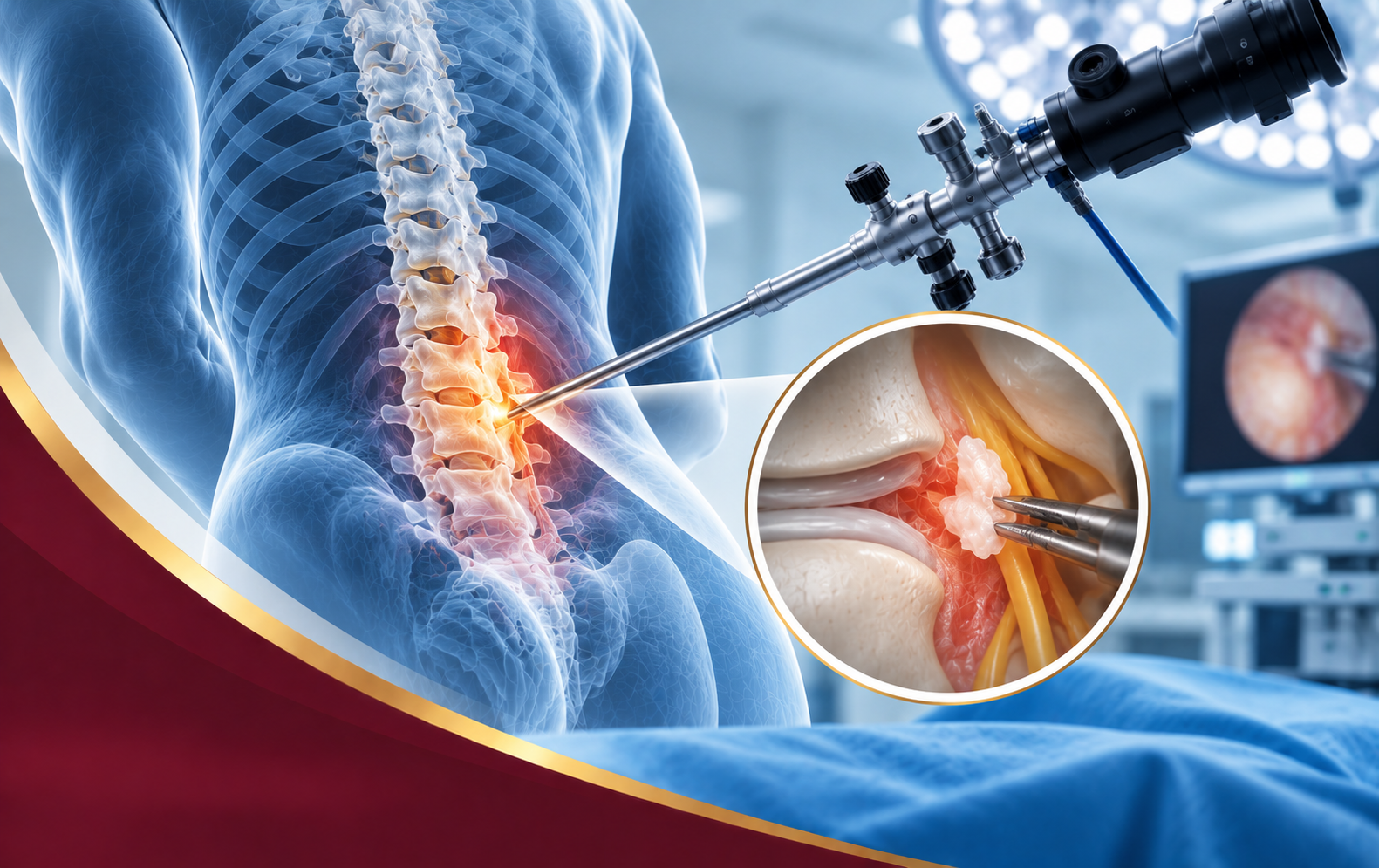
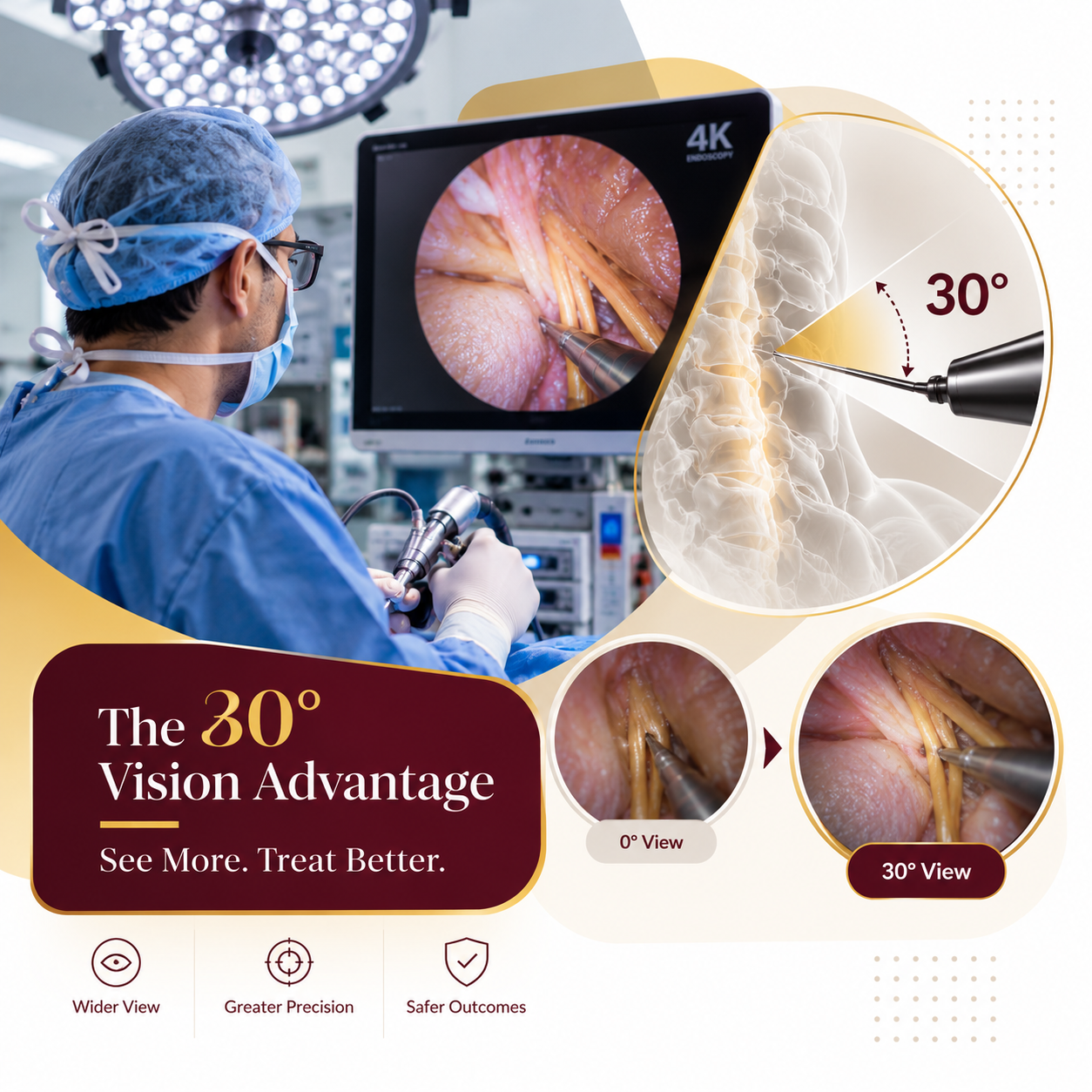
Why endoscopic treatment?
Endoscopic spine techniques may allow selected disc problems to be treated through smaller access points. They are designed to limit disruption of nearby tissue. Suitability depends on imaging, symptoms, and overall health.
Potential benefits may include:
Patient testimonials
From the first consultation, I knew what to expect. The smaller incision and clear aftercare plan made the process less stressful for my family and me.

Arun S.
Minimally invasive spine patient
The team explained my options in plain language. I felt informed before I decided on treatment, and the follow-up support helped me stay on track.
Priya M
Brain care patient
I was struggling with severe back pain for years. After endoscopic spine surgery at EndoNeuroSpine, my recovery was faster than I ever expected. The care and support I received were exceptional.

Rajesh P
Spine surgery patient
Frequently asked questions
Suitability depends on the diagnosis, imaging findings, and overall health. A specialist consultation is needed to determine whether an endoscopic approach may be appropriate.
Endoscopic spine surgery is an established technique. All surgery has risks. Your care team should explain expected benefits, possible complications, and alternatives for your situation.
Recovery time varies by procedure and by person. Some patients return to light activity sooner than after open surgery, but only your clinician can estimate a timeline for you.
Return to work, exercise, and daily routines is individual. Follow the written plan provided after treatment and ask the clinic before increasing activity.
Endoscopic approaches typically use smaller incisions than traditional open surgery, so scars are often smaller. Healing still varies from person to person.
Unsure what is causing your symptoms?
Request a consultation to review your concerns and discuss whether an endoscopic option may be appropriate.