01
Smaller Incisions
May support a smaller surgical footprint than traditional open approaches.
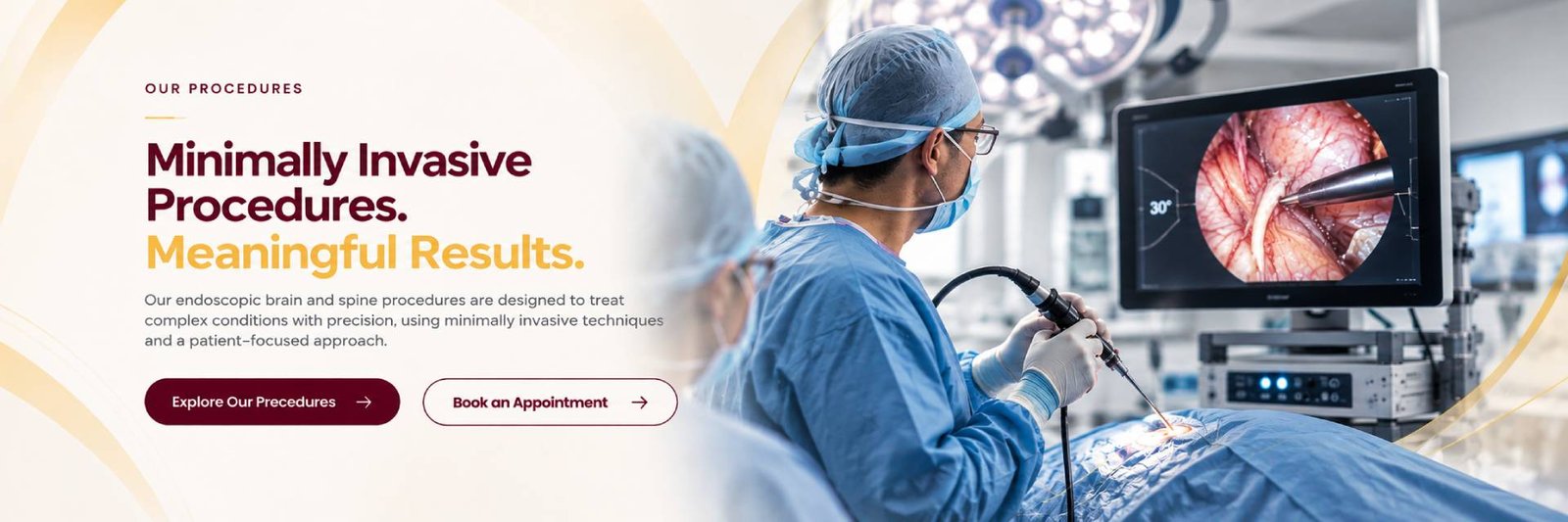 Explore Our Procedures
Book an Appointment
Explore Our Procedures
Book an Appointment
Our specialized services
Explore endoscopic and minimally invasive procedure areas. Suitability depends on diagnosis, imaging, and overall health.
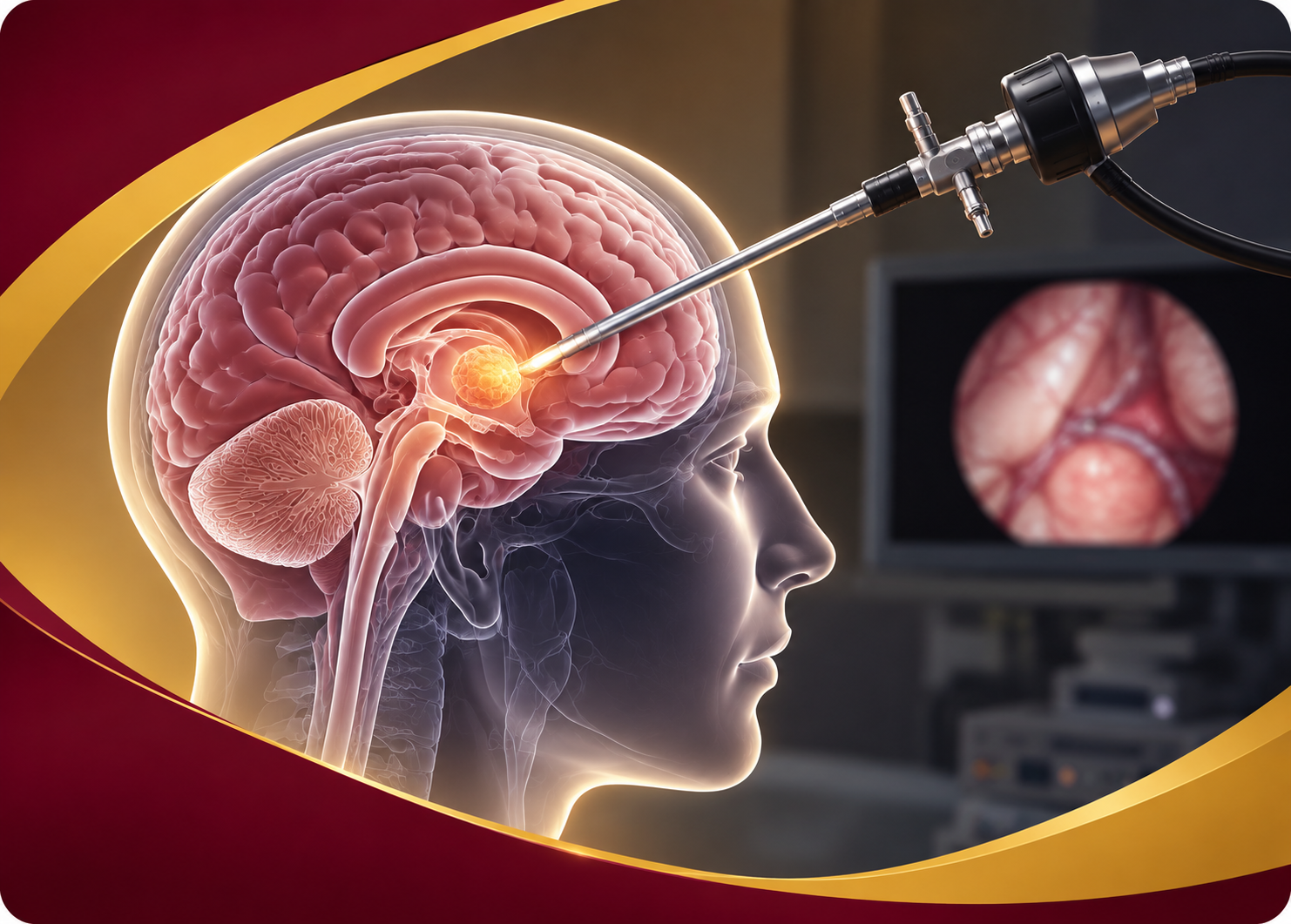
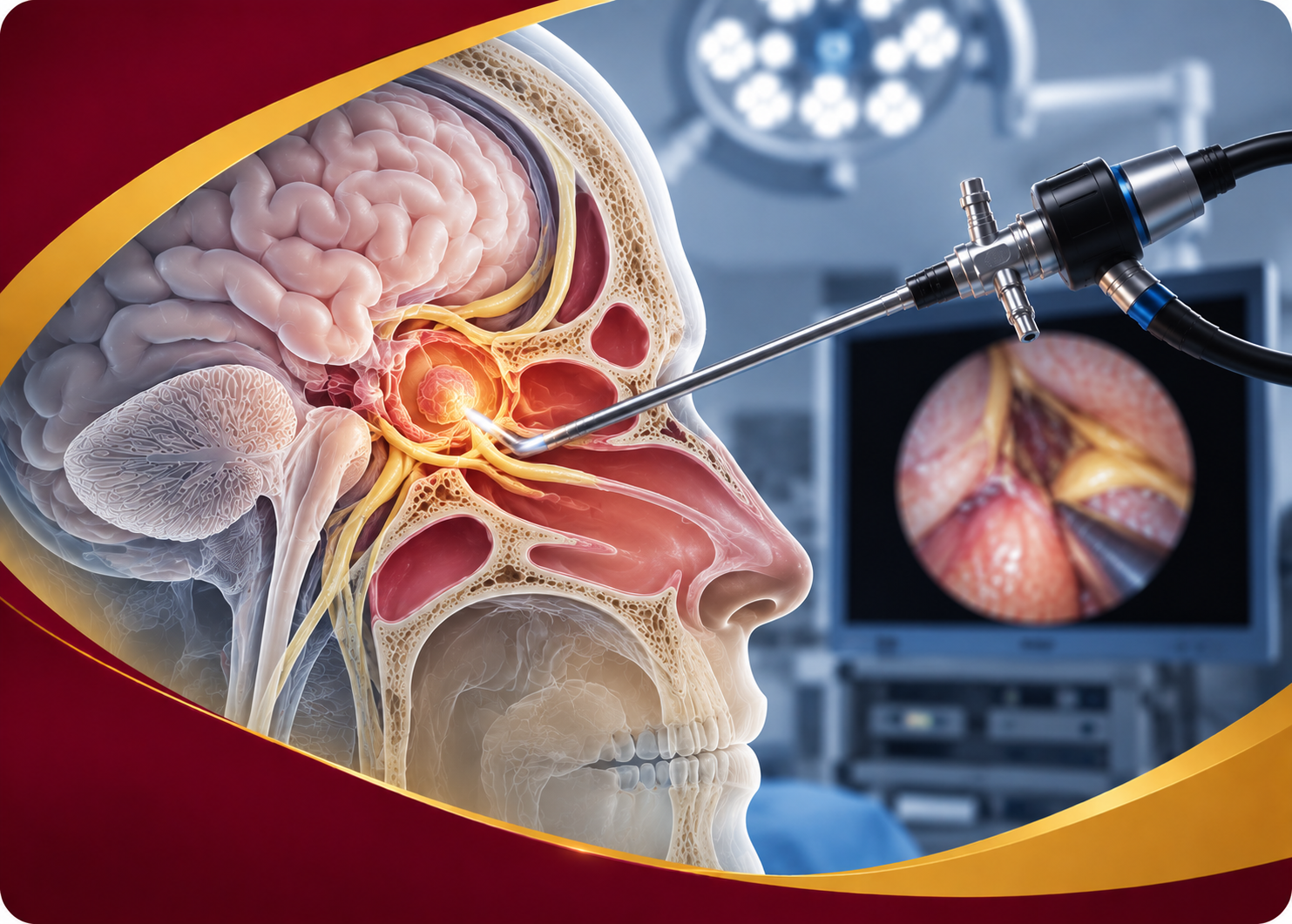
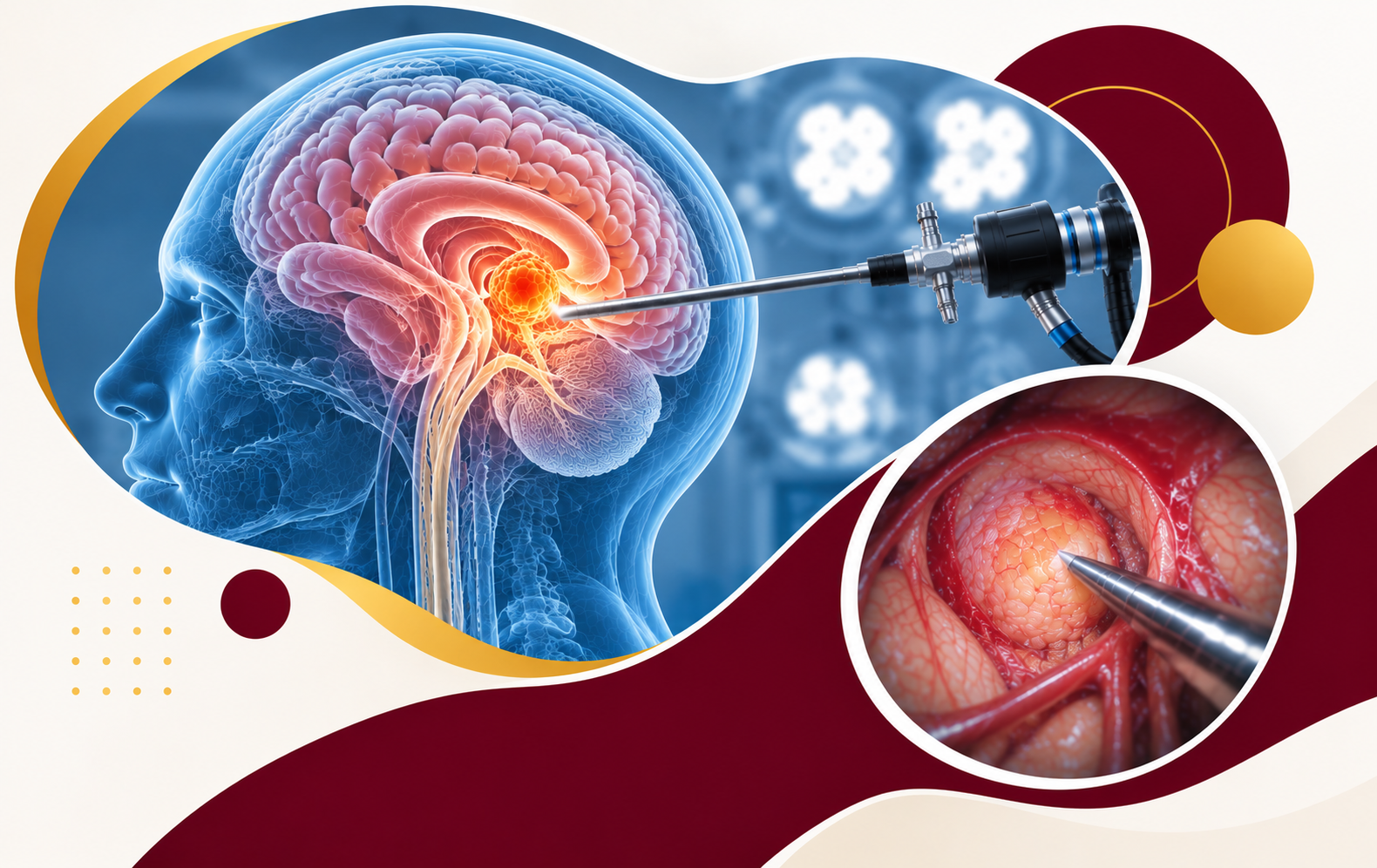
Brain surgery
Endoscopic approaches may be considered for selected brain conditions when imaging and clinical findings support a less open corridor. Your specialist will explain expected benefits, risks, and alternatives.
Brain Tumor Removal
Selected tumors may be reached through a small corridor when imaging supports an endoscopic option.
Cyst & Lesion Treatment
Fluid-filled cysts or lesions may be drained or biopsied with visualization, depending on location and size.
Skull Base Surgery
An angled view can help the team work near the skull base while protecting nearby structures where possible.
Hydrocephalus Management
Endoscopic options may be considered to improve cerebrospinal fluid flow when they are clinically suitable.
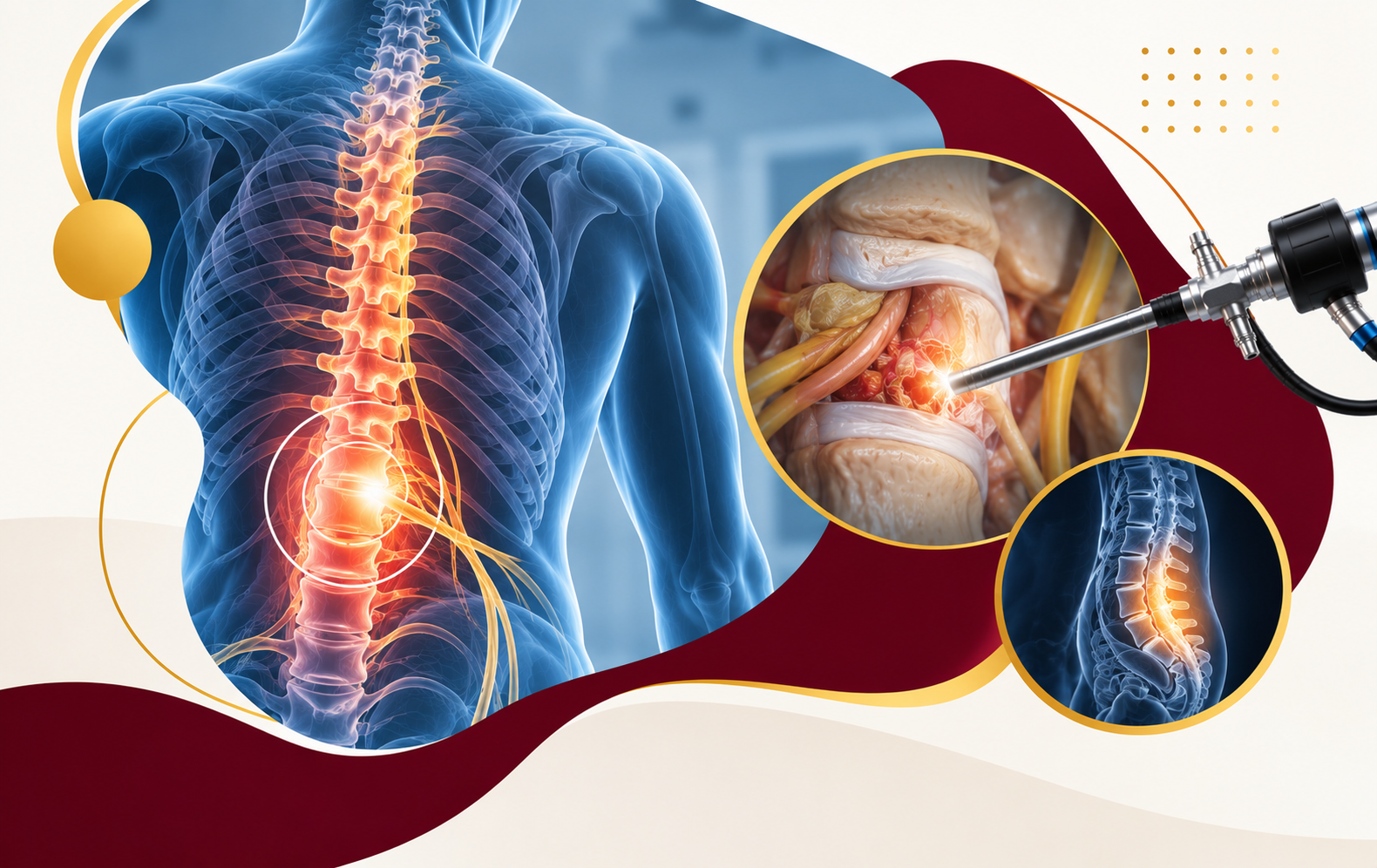
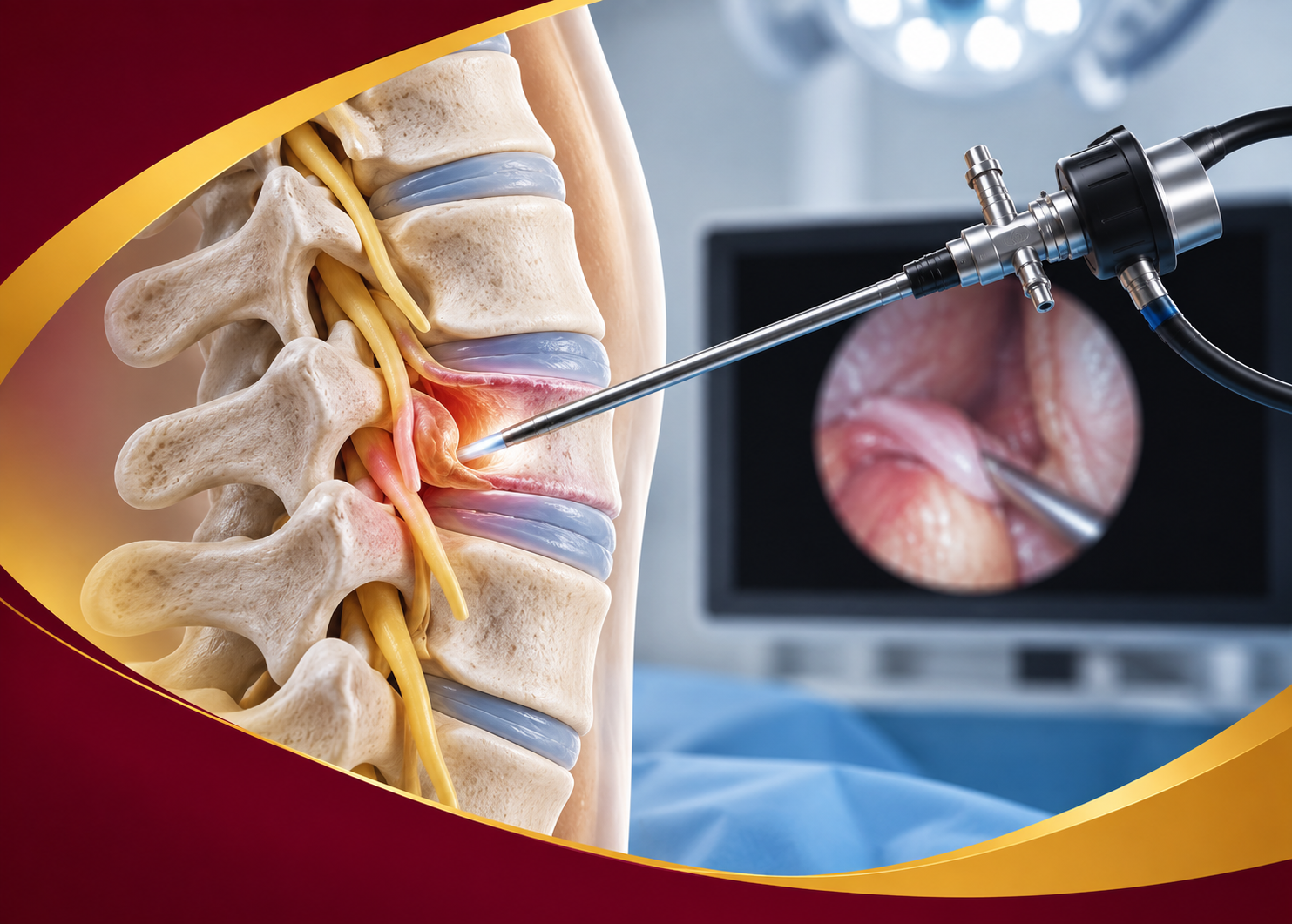
Spine surgery
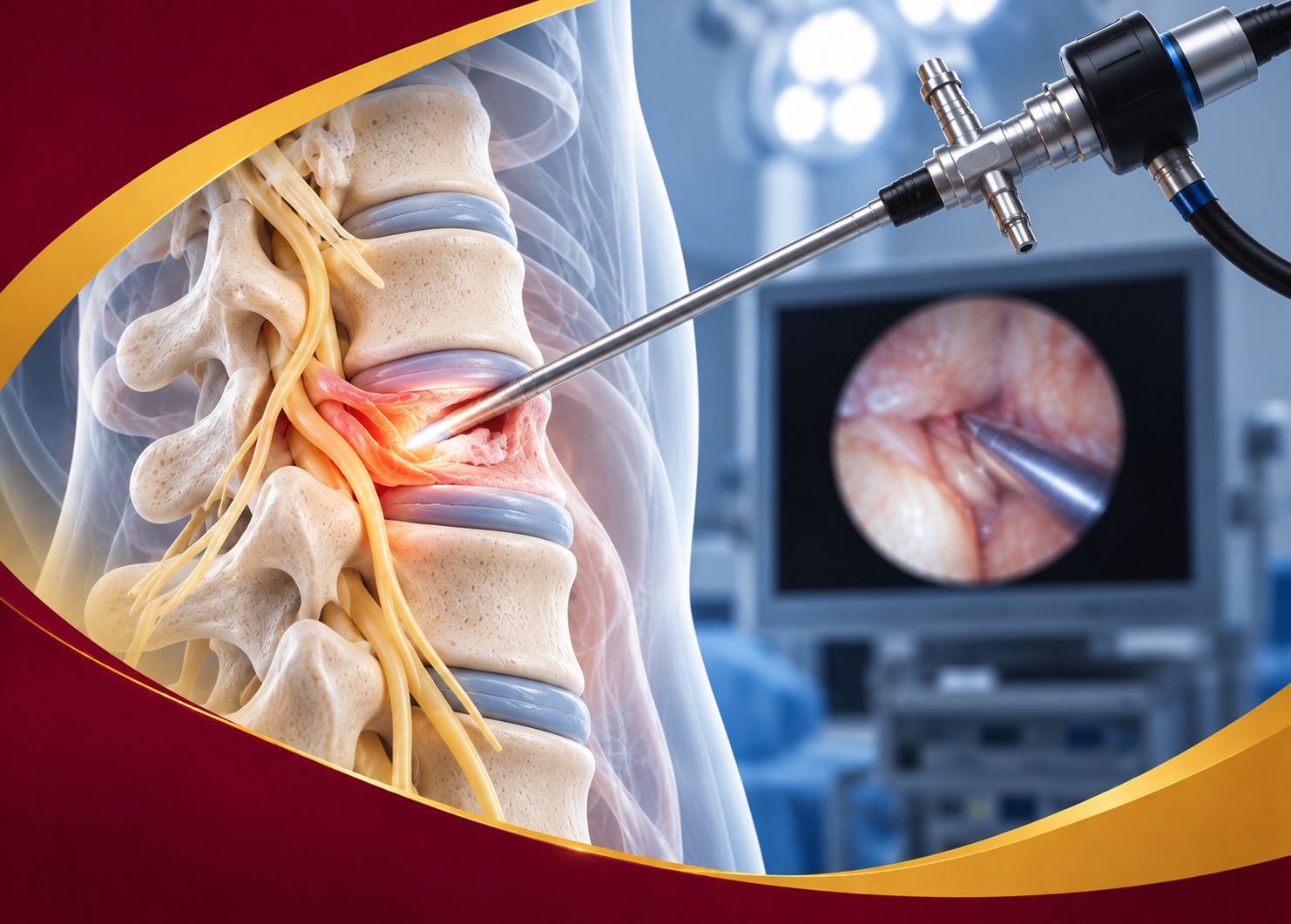
Endoscopic and minimally invasive spine techniques can help some people with disc, nerve, or stenosis-related symptoms. Recovery and pain levels vary; a consultation is required to review options.
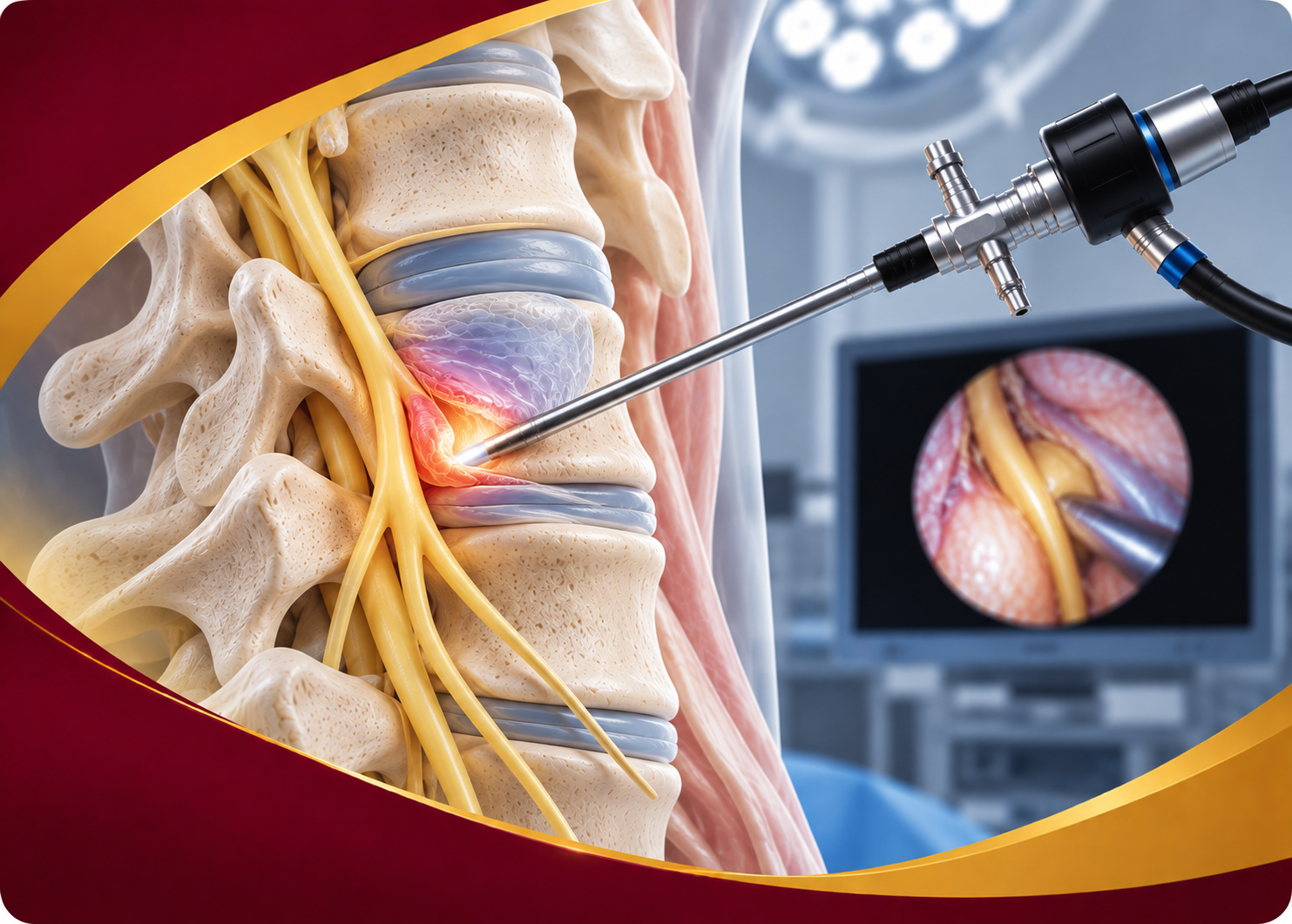
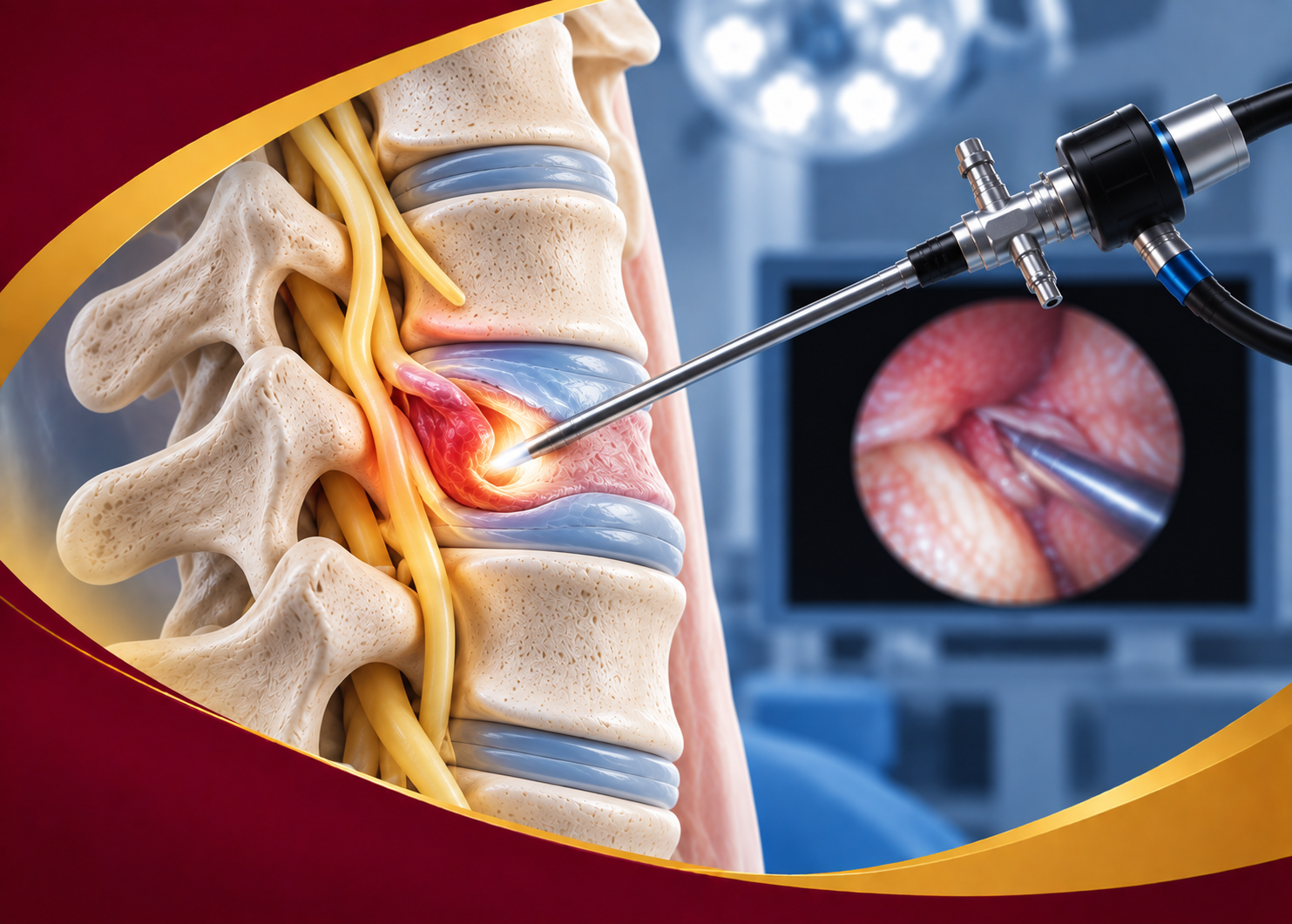
Disc Herniation Treatment
A herniated disc that presses on a nerve may be treated through a small corridor when imaging supports that approach.
Nerve Decompression
The aim is to ease pressure on a nerve root. Suitability depends on the cause, location, and overall health.
Spinal Stenosis
Narrowing of the spinal canal may be addressed endoscopically in selected cases after a specialist review.
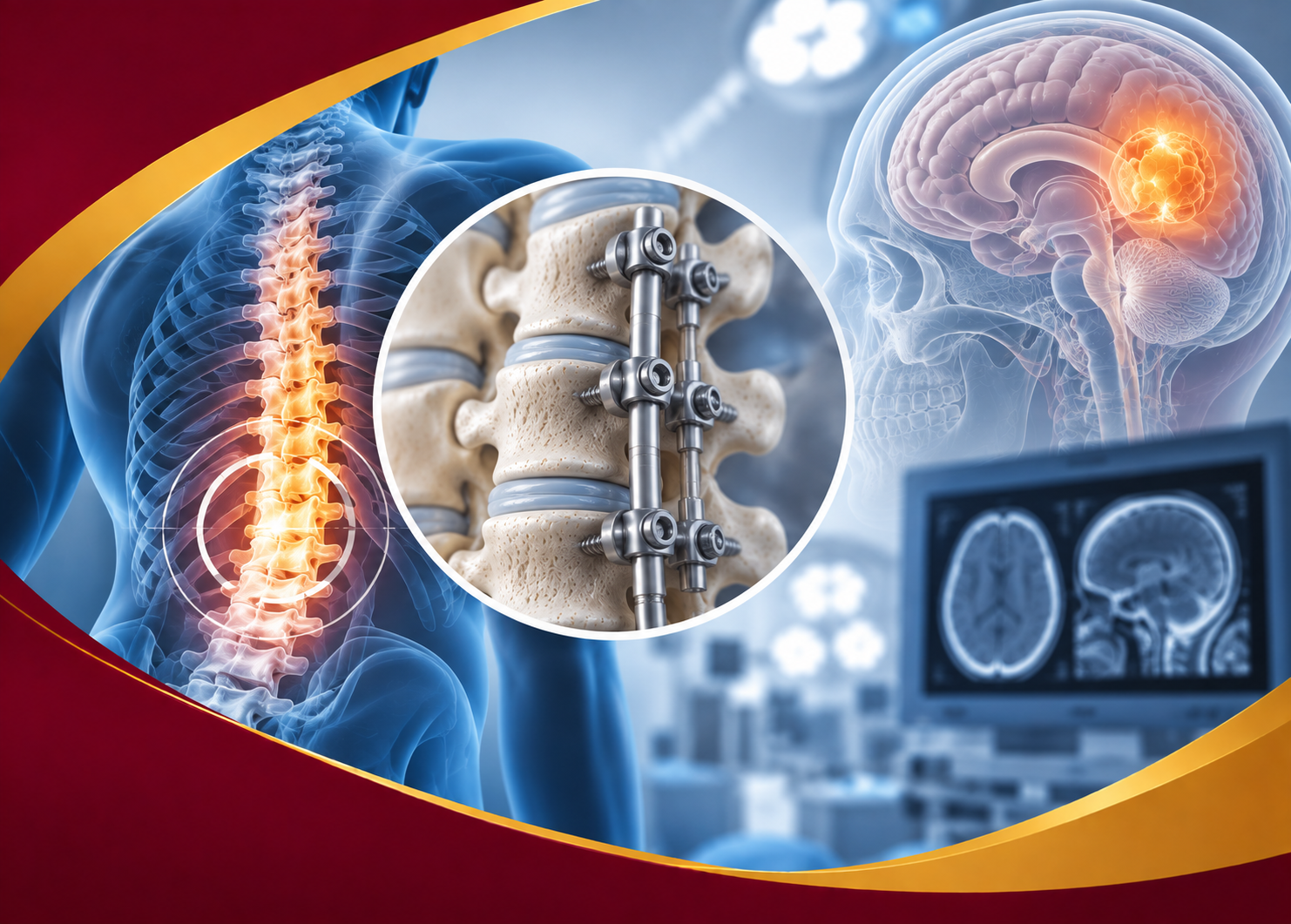
Minimally Invasive Spine Surgery
Smaller working corridors may help limit disruption of nearby tissue. Recovery still varies from person to person.
Why endoscopic surgery
Endoscopic techniques are designed to work through smaller corridors. Potential benefits depend on the procedure and the person and are not guaranteed.
01
May support a smaller surgical footprint than traditional open approaches.
02
Can help reduce tissue disruption for some patients, though discomfort still varies.
03
Some people return to light activity sooner; only your clinician can estimate a timeline.
04
The goal is a plan that may support function and comfort, based on your individual case.
Our technology
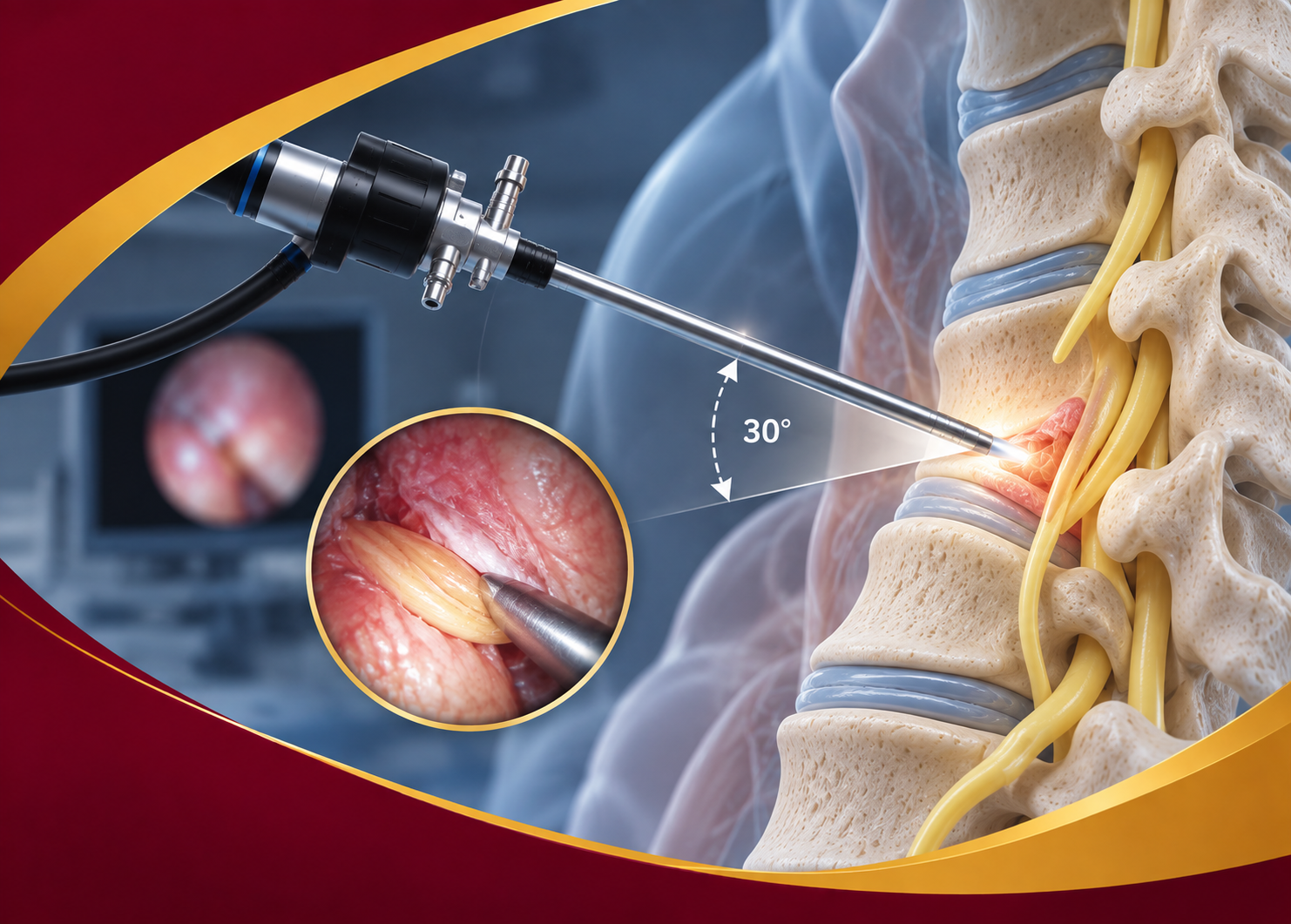
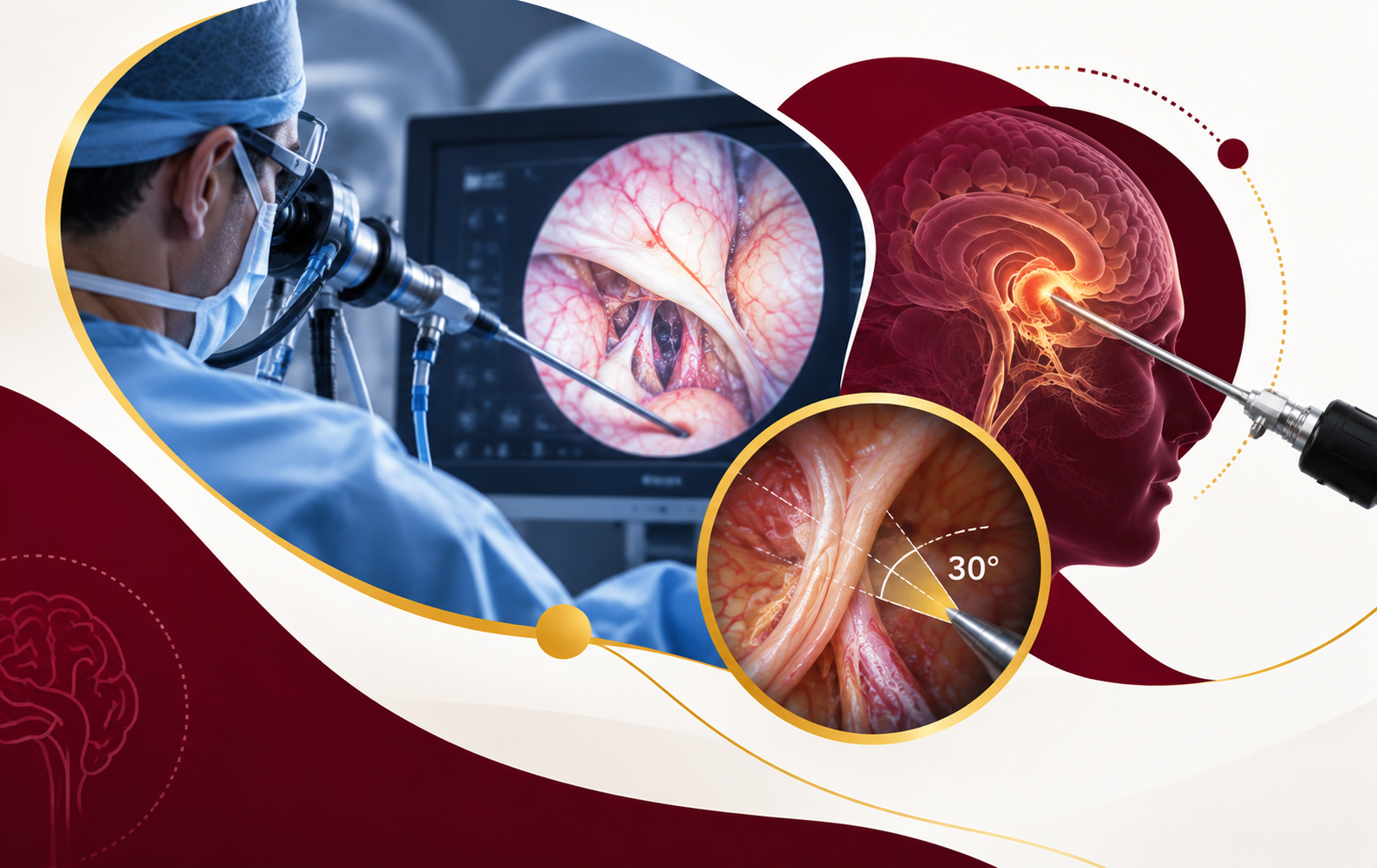
A 30° endoscope is designed to provide a wider, angled view so surgeons can see around anatomy that a straight-on lens may miss. This visualization can help support more precise working corridors, depending on the case.
Wider View
The angled lens can show more of the working area in one look than a straight-on (0°) view.
Greater Precision
Clearer visualization can help the team plan corridors and identify nearby tissue.
Access to Complex Areas
The 30° angle can help the team see around anatomy in confined spaces.
Careful Navigation
Better sight lines may support careful handling of nearby structures. All procedures have risks.
 30°
30°
Our approach
Care is planned around your diagnosis, imaging, and overall health. The sequence below describes a typical pathway when surgery is being considered.
Review symptoms, history, and questions with a specialist.
Use imaging and clinical findings to understand the condition.
Discuss options, including whether an endoscopic approach may be suitable.
If surgery is advised, treatment is planned around the agreed approach.
Follow a written recovery plan and ask before increasing activity.
Take the next step toward a healthier tomorrow
Request a consultation to review your imaging and discuss whether an endoscopic option may be appropriate for you.